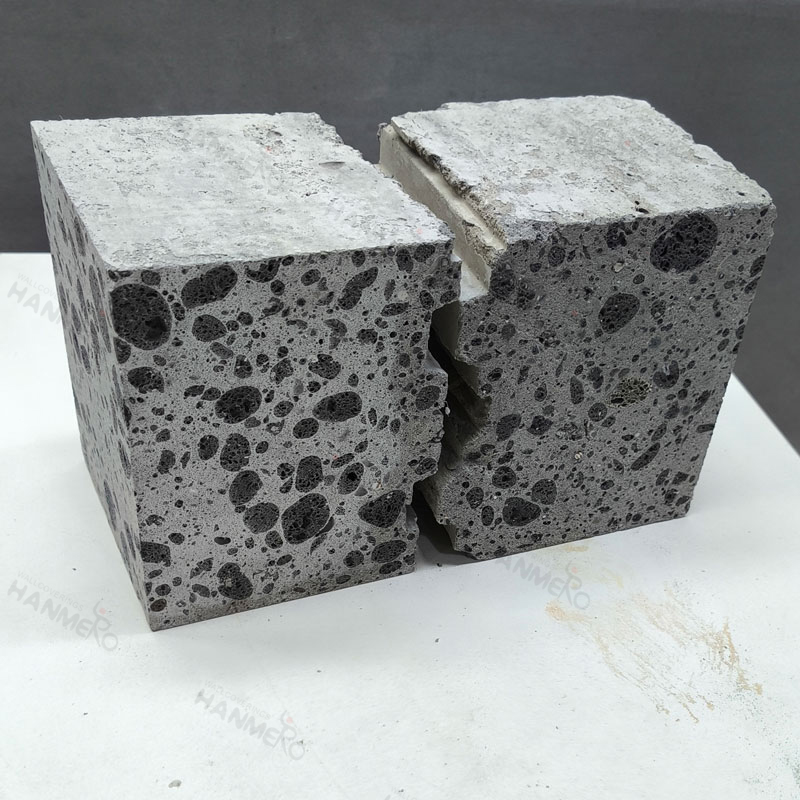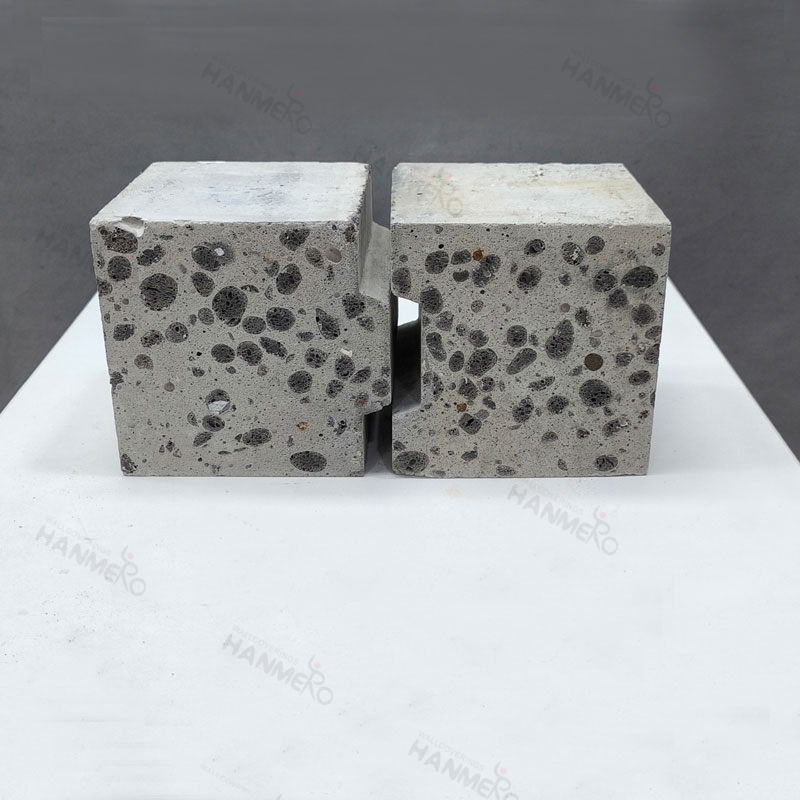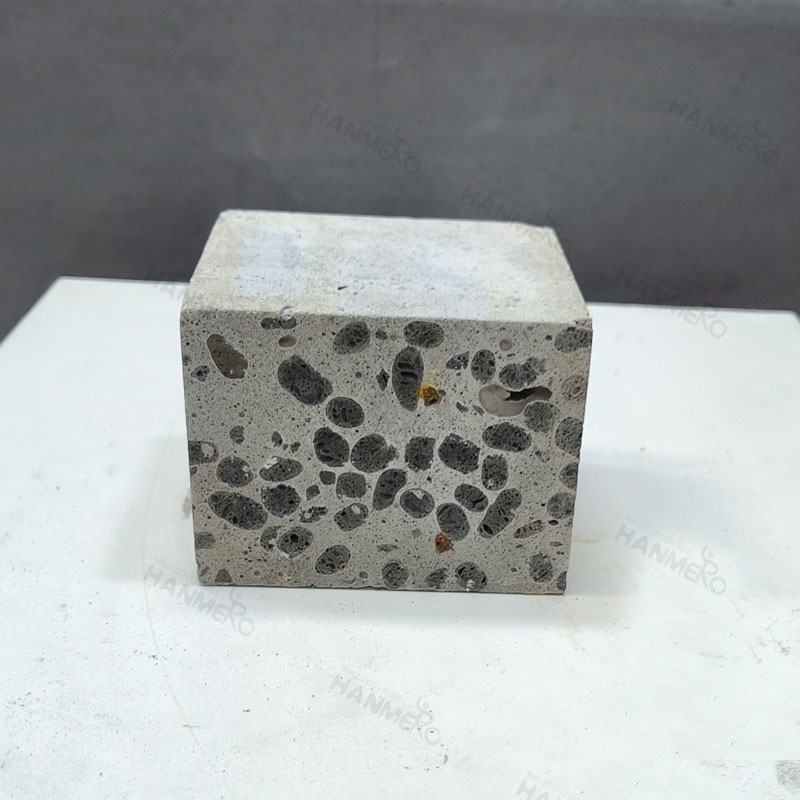
A ceramsite panel is a lightweight building wall and facade material made by mixing high-performance ceramsite aggregates, cement, waterproofing agents, water reducers and other functional additives, then forming and curing under strict industrial production standards. Unlike traditional concrete wall panels, it replaces most of the coarse and fine aggregates with expanded ceramsite particles, which greatly reduces the overall density while retaining excellent structural strength. This material has quickly become a preferred choice in modern prefabricated construction projects because it balances low weight, high durability and environmental performance.
One of the most prominent advantages of ceramsite panels is their outstanding lightweight property. The bulk density of qualified ceramsite concrete panels can be controlled at a relatively low level, which effectively reduces the dead load of the entire building structure. This means engineers can design lighter foundation systems, reduce the use of steel and traditional concrete, and cut overall project costs without compromising structural safety. For high-rise buildings and long-span public structures, this weight reduction effect brings very obvious economic and construction convenience.
In addition to weight advantage, ceramsite panels also show excellent thermal insulation performance. The internal porous structure of ceramsite particles forms a large number of static air insulation layers, which significantly reduces the thermal conductivity of the panel. This characteristic helps buildings maintain a more stable indoor temperature in both hot summer and cold winter, reduces the frequent start and stop of heating and air conditioning systems, and effectively lowers long-term building operation energy consumption. For projects pursuing green building certification and near-zero energy consumption standards, this thermal insulation performance makes ceramsite panels a highly competitive material option.