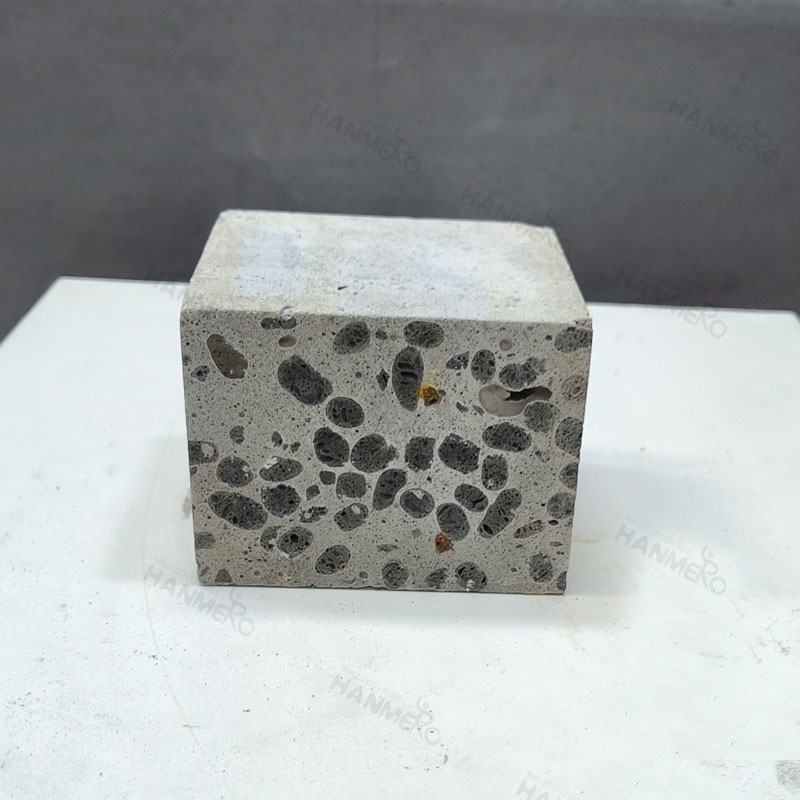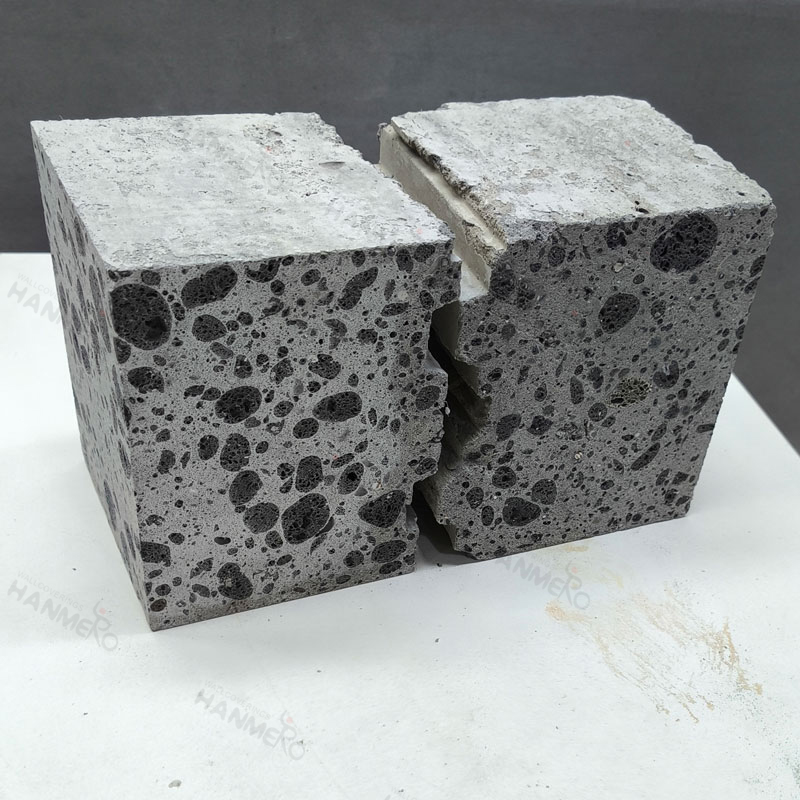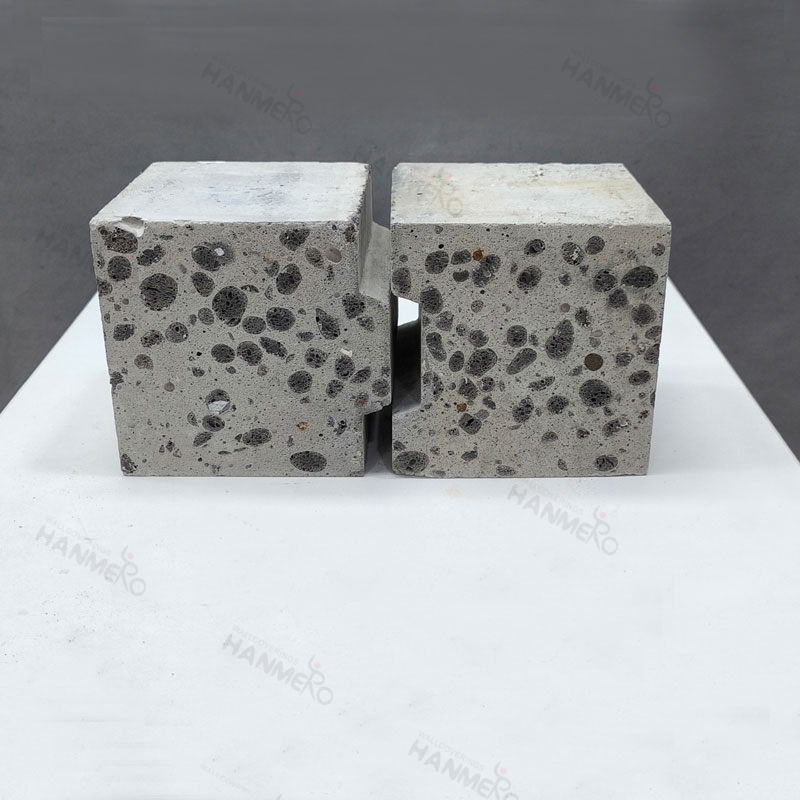
Building thermal insulation is one of the core links to reduce building energy consumption, and ceramsite panels are creating new performance benchmarks for modern building envelopes with their unique material characteristics. The ceramsite raw materials inside the panel are formed by high-temperature firing, and a large number of uniformly distributed tiny pores are formed inside the particles. These pores do not form connected air passages, so they can effectively lock static air and form a continuous and efficient thermal insulation barrier. This structure makes the thermal conductivity of ceramsite panels much lower than that of ordinary solid concrete wall panels.
In practical application, the thermal insulation advantage of ceramsite panels can significantly reduce the heat exchange between indoor and outdoor. In summer high temperature weather, the heat from the outdoor sun and hot air is difficult to quickly transfer to the indoor space through the ceramsite panel wall, which can keep the indoor environment cool for a longer time and reduce the operating pressure of the air conditioning system. In cold winter, the heat generated by indoor heating is not easy to lose outdoors through the wall, which helps to maintain a stable indoor temperature and reduce the frequent start and stop of heating equipment.
This continuous and efficient thermal insulation performance also helps to reduce the temperature difference deformation stress inside the wall structure. The ceramsite panel has a relatively gentle thermal expansion coefficient, which can better adapt to the temperature changes in different seasons, reduce the risk of wall cracking and hollowing, and extend the service life of the entire building envelope. For commercial buildings, residential buildings and public facilities that require long-term stable operation, this thermal insulation characteristic means lower maintenance costs and more comfortable indoor experience.