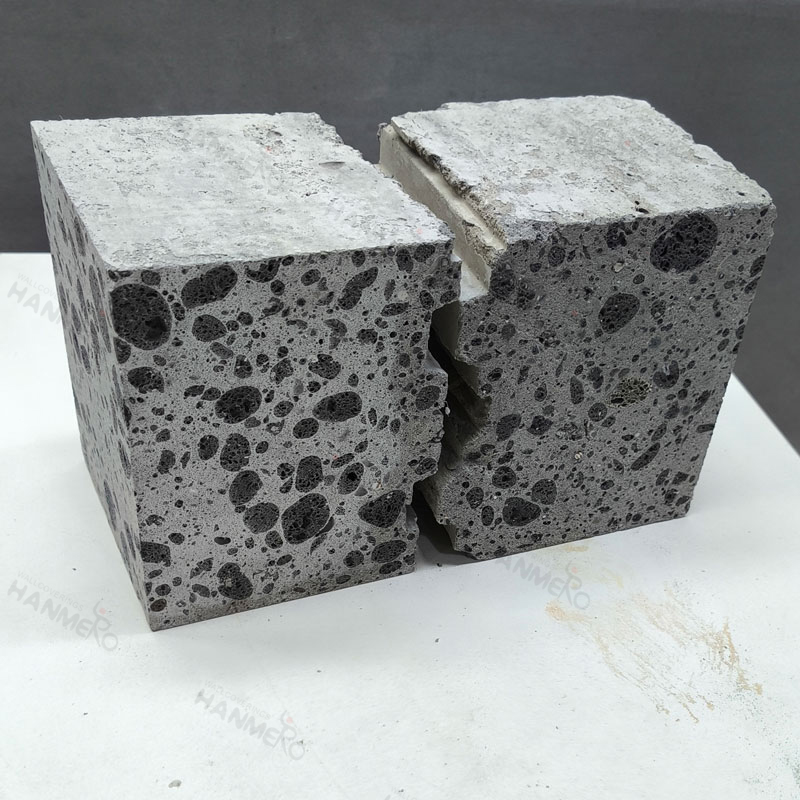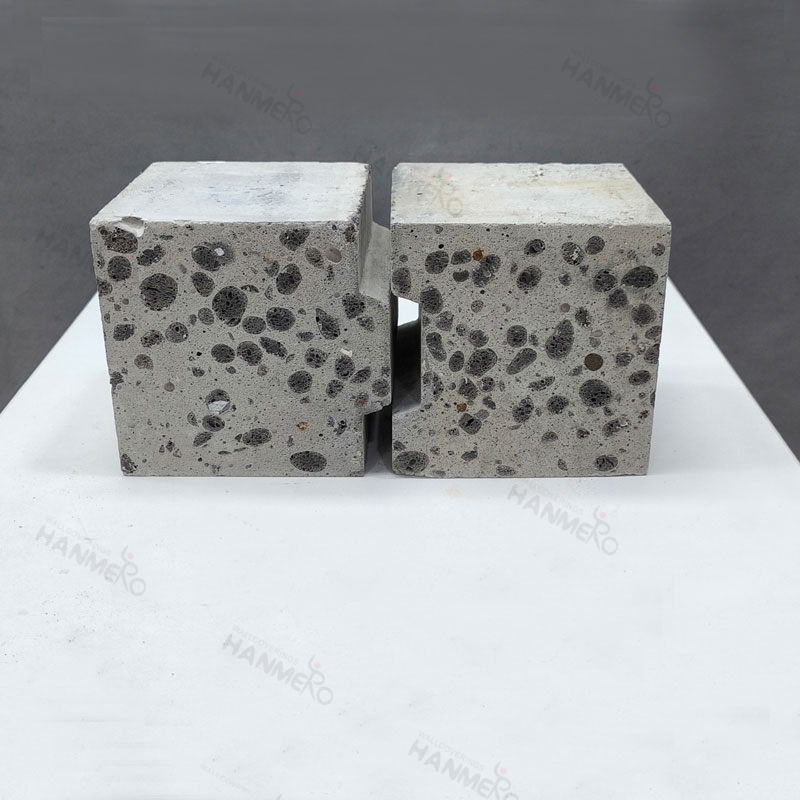
The global construction industry is paying more and more attention to carbon emission reduction and resource recycling, and fly ash based ceramsite panels have outstanding environmental advantages in this respect. This kind of ceramsite material uses a high proportion of industrial solid waste fly ash as the main raw material, which consumes a large amount of fly ash that would otherwise be piled up in the open air or buried in the landfill. This resource utilization mode reduces the occupation of natural land by industrial waste, and also reduces the exploitation of natural high-quality clay and stone resources required for the production of traditional building materials.
In the production process of fly ash ceramsite panels, the optimized high-temperature firing process and curing scheme can effectively control energy consumption and carbon emissions. Compared with the production of traditional solid concrete wall panels, the production of ceramsite panels can reduce more carbon emissions per unit product. At the same time, the lightweight characteristics of ceramsite panels reduce the fuel consumption and carbon emissions in the transportation link, because the same transportation vehicle can carry more wall area under the limit load, and the transportation efficiency is significantly improved.
In the long-term use stage of the building, the excellent thermal insulation performance of fly ash ceramsite panels can continuously reduce the energy consumption of building heating and cooling, and further reduce the indirect carbon emissions generated by building operation. When the building finally reaches the end of its service life, the ceramsite panels can be crushed and reprocessed into recycled aggregates for new building materials, realizing the recycling of materials. This whole life cycle environmental protection characteristic makes fly ash based ceramsite panels an important material choice to promote the sustainable development of the construction industry.