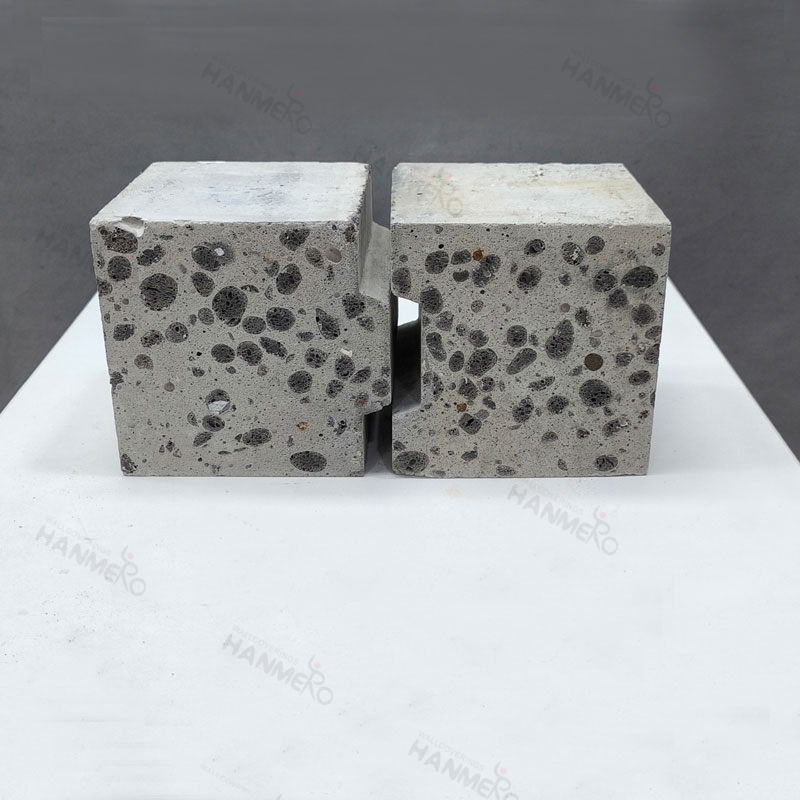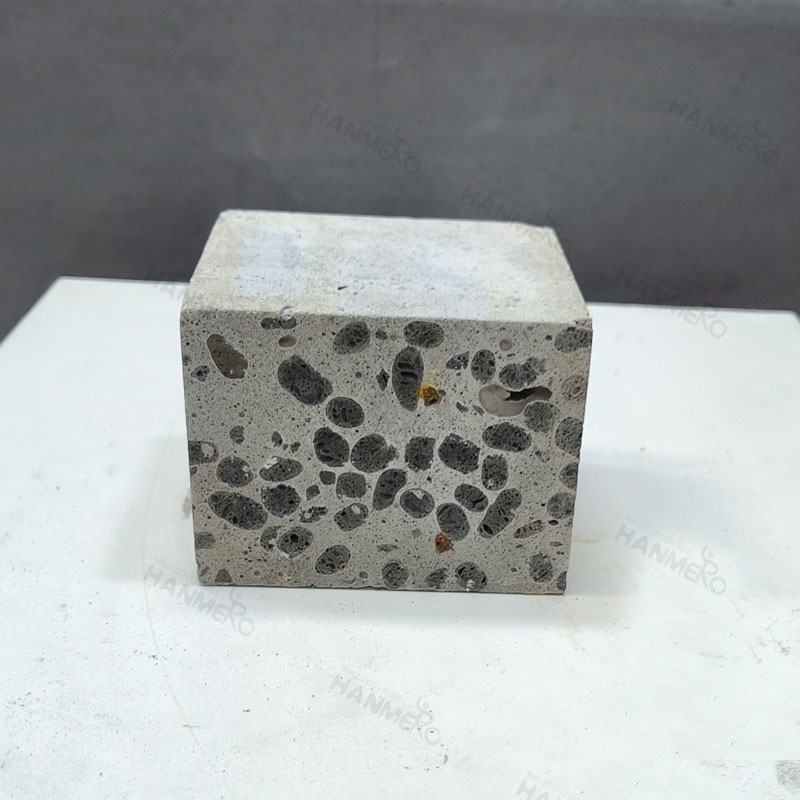
Building construction in extremely cold northern climates creates unique material performance challenges that most conventional wall materials cannot withstand reliably over long periods of time. Ceramsite Panel, the high quality Expanded Clay Cement Panel, has been extensively tested and proven to deliver exceptional stable performance even in regions that experience prolonged sub zero winter temperatures. The engineered pore structure inside Ceramsite Panel is specifically designed to accommodate the small amount of water expansion that occurs when trapped moisture freezes, preventing the internal cracking and structural damage that destroys ordinary concrete materials in freeze thaw cycles.
The thermal insulation properties of Expanded Clay Cement Panel dramatically improve the energy efficiency of buildings in cold climates, reducing the amount of heating energy required to maintain comfortable indoor temperatures. The tiny air pockets trapped inside the expanded clay aggregates create a continuous thermal barrier that stops valuable indoor heat from escaping through the walls, helping building owners cut their annual heating costs by 25 to 35 percent. In extremely cold regions where heating costs make up a huge portion of annual building operating expenses, these energy savings add up to massive amounts of money over the 50+ year service life of Ceramsite Panel.
Unlike many synthetic insulation materials that become brittle and lose their insulation performance when exposed to very low temperatures, the performance of Ceramsite Panel actually remains completely stable no matter how cold the external temperature drops. Expanded Clay Cement Panel does not contain any polymer components that can become brittle and crack in extreme cold, maintaining its full structural strength and thermal performance even at temperatures as low as -40 degrees Celsius. Construction teams working in northern Canada, Scandinavia and Siberia have reported that Ceramsite Panel walls installed more than 30 years ago still remain in perfect structural condition, while traditional concrete walls in the same locations have already suffered severe freeze thaw damage and require complete replacement.