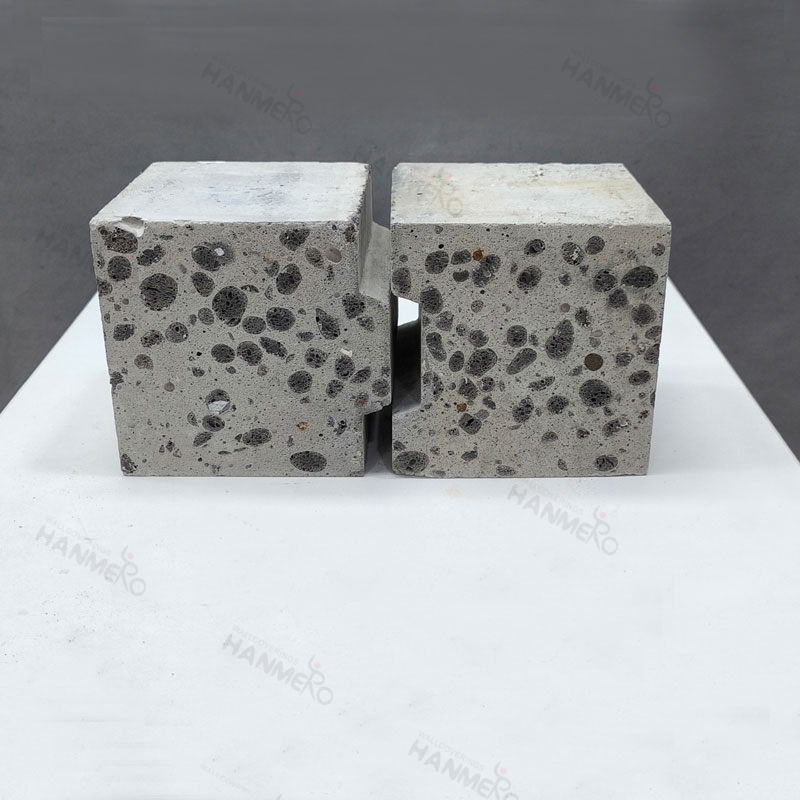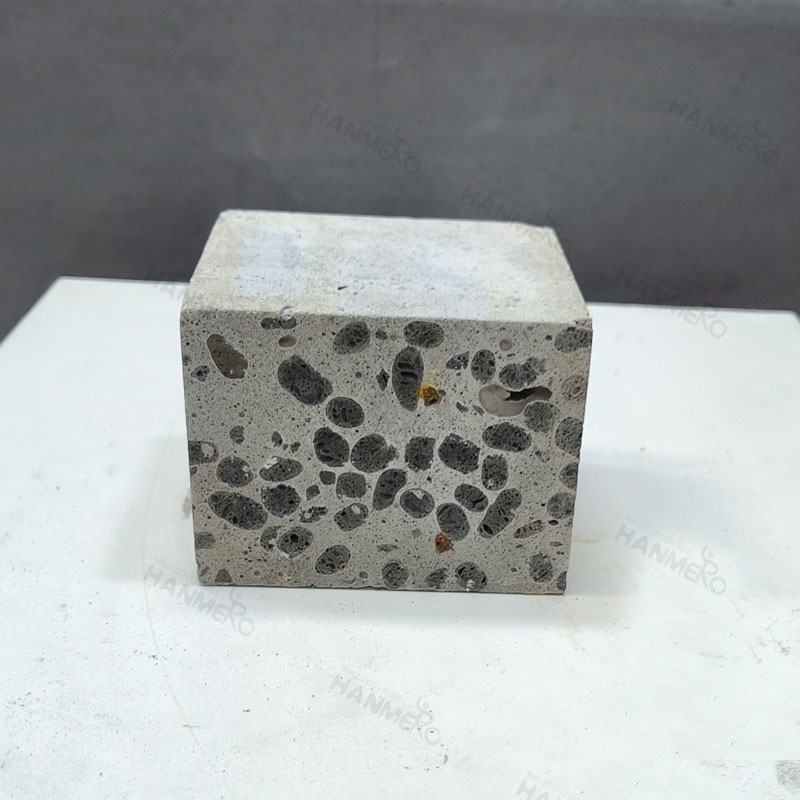
One of the most common complaints from residents in modern multi unit dwellings is unwanted noise transfer between separate living spaces, an issue that traditional thin partition materials have consistently failed to resolve effectively. Ceramsite Panel, the high density Expanded Clay Cement Panel, is purpose engineered to address this exact pain point, delivering class leading sound insulation performance that creates truly private living environments. The unique composite structure of Ceramsite Panel combines the natural sound absorbing properties of porous expanded clay aggregates with the high mass density of reinforced cement matrix, creating a sound barrier that achieves STC ratings far higher than standard drywall or hollow concrete blocks of the same thickness.
Independent acoustic testing shows that a standard 120mm thick Expanded Clay Cement Panel partition can achieve an STC rating of over 50, which means normal speech, television audio, music and even loud household activities cannot be heard at all in adjacent units. This level of acoustic separation is transformative for apartment residents, eliminating the constant noise related conflicts and frustrations that make so many people unhappy with multi family living. Developers who use Ceramsite Panel in their projects regularly report dramatic reductions in resident noise complaints, higher tenant retention rates and significantly better online property reviews that attract more quality renters and buyers.
The acoustic performance of Ceramsite Panel does not degrade over time, unlike many layered sound insulation systems that can shift, settle or develop gaps years after installation. The monolithic Expanded Clay Cement Panel structure stays completely solid and rigid for its entire multi decade service life, maintaining its original sound blocking performance without any additional maintenance or repairs. Construction teams also appreciate how easy it is to achieve perfect acoustic results with Ceramsite Panel, as the large seamless panels minimize the number of joints that can create sound leakage paths, removing the need for complicated and expensive multi layer sound insulation treatments that add weeks to project timelines.