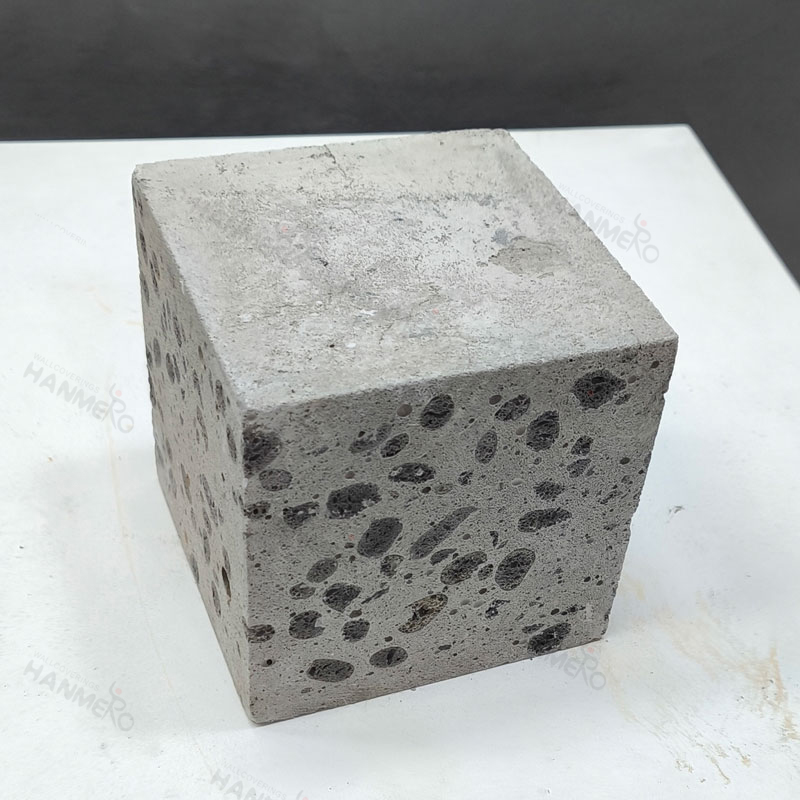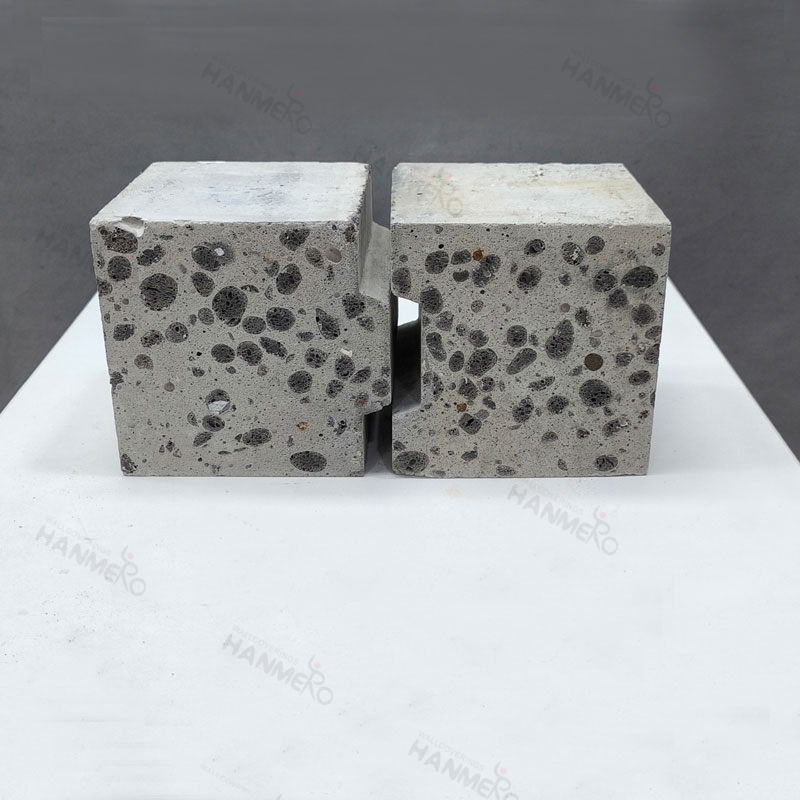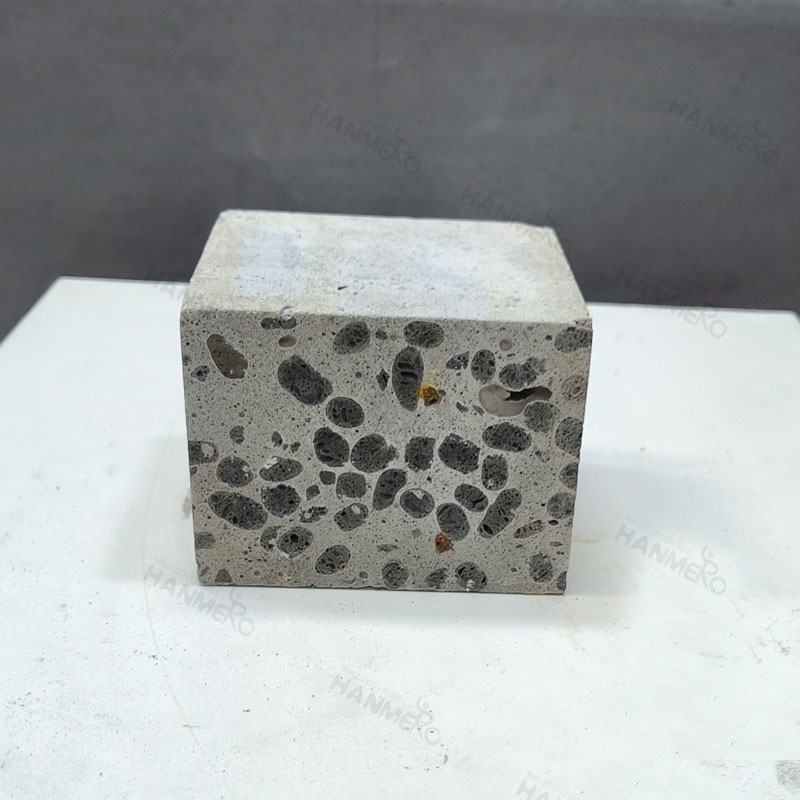
Agricultural facilities including livestock barns, crop storage warehouses and processing plants operate in some of the dirtiest, most demanding operating conditions of any building type, with constant exposure to animal waste, dust, high humidity and agricultural chemicals. Ceramsite Panel, the tough Expanded Clay Cement Panel, is perfectly suited for these harsh agricultural environments, delivering long term durability that far outlasts traditional wood or metal wall panels. The non porous smooth surface of Ceramsite Panel can be easily hosed down and pressure washed to remove accumulated dirt, manure and agricultural residues, without suffering any water damage or surface degradation.
Expanded Clay Cement Panel is completely resistant to damage from rodents and insects that cause major problems for traditional agricultural building walls. Mice, rats and termites cannot chew through the hard mineral structure of Ceramsite Panel, eliminating the costly damage and hygiene risks that these pests create in farm buildings. Unlike wood walls that can rot quickly from constant exposure to high humidity and animal waste, the cement based composition of Ceramsite Panel will never rot or decompose, even with decades of exposure to damp agricultural conditions. Many farm operators who have switched to Ceramsite Panel report that their new walls remain in perfect condition for 30+ years, compared to traditional wood walls that often need complete replacement after less than 10 years of farm use.
The excellent fire resistance of Ceramsite Panel also creates a much safer working environment on farms, where hay, straw and other agricultural combustible materials create a constant high fire risk. The Class A1 non combustible Expanded Clay Cement Panel will not catch fire even when exposed to intense heat from barn fires, helping to slow down fire spread and giving farm workers more time to respond to emergencies. The thermal insulation properties of Ceramsite Panel also help livestock barns maintain more stable indoor temperatures, creating healthier more comfortable conditions for animals that improves livestock growth rates and reduces feed consumption for farmers.