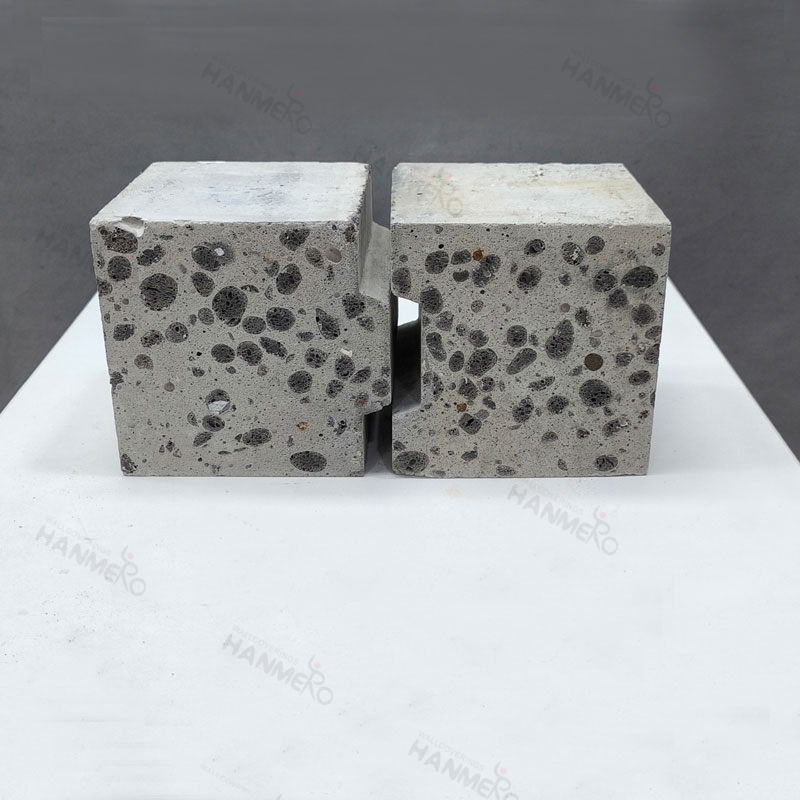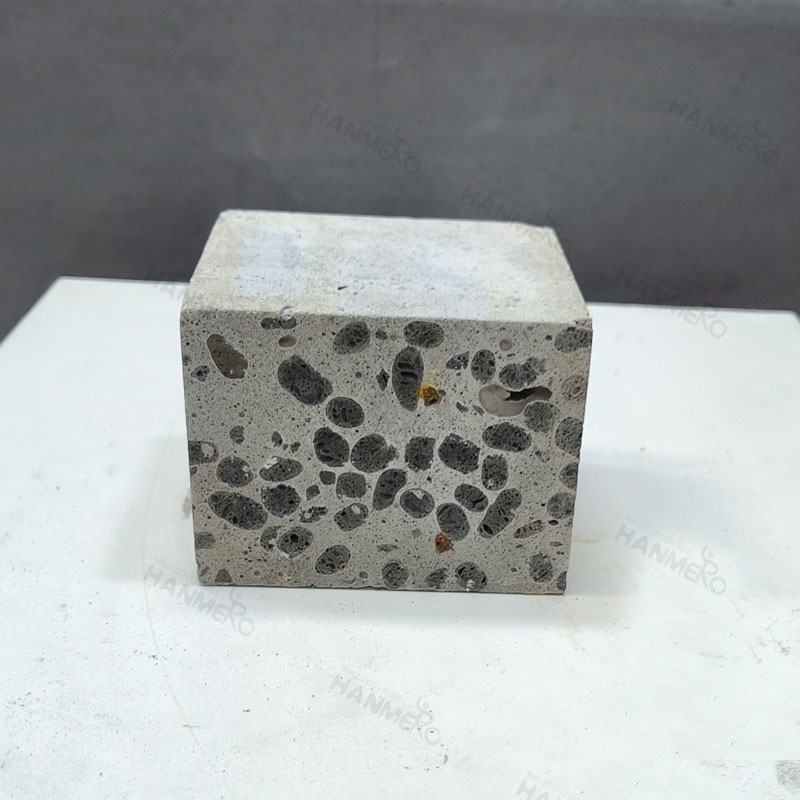
Building construction in seismically active earthquake zones requires special consideration for material weight and structural flexibility, to minimize the risk of structural collapse and falling debris during seismic events. Ceramsite Panel, the ultra lightweight Expanded Clay Cement Panel, delivers exceptional seismic performance that makes buildings much safer during earthquakes, reducing both structural damage and the risk of injury to building occupants. The extremely low weight of Ceramsite Panel dramatically reduces the total inertial mass of partition walls that exerts force on the main building structure during an earthquake, significantly lowering the overall seismic load that the building frame has to resist.
Unlike heavy masonry block walls that can crack and collapse violently during strong seismic shaking, the flexible installation system used for Expanded Clay Cement Panel allows the partition walls to move in harmony with the main building frame without breaking apart. The special mortar adhesive that bonds Ceramsite Panel units together creates a flexible yet strong connection that can accommodate small amounts of structural displacement without developing dangerous cracks. This means even after a moderate earthquake, the partition walls made from Expanded Clay Cement Panel will remain largely intact, while traditional block walls would have already suffered severe structural damage that requires complete replacement.
Building owners in high seismic regions who use Ceramsite Panel report that their buildings suffer dramatically less non structural damage during earthquake events, which means they can reoccupy and resume normal operations much faster after a seismic disaster. The low risk of wall collapse also eliminates the dangerous situation where heavy partition walls fall and block emergency exit routes during an earthquake, giving occupants much safer access to evacuation paths. Many civil engineering authorities in earthquake prone countries now actively recommend Expanded Clay Cement Panel as the preferred partition material for all new construction projects in high risk seismic zones.